
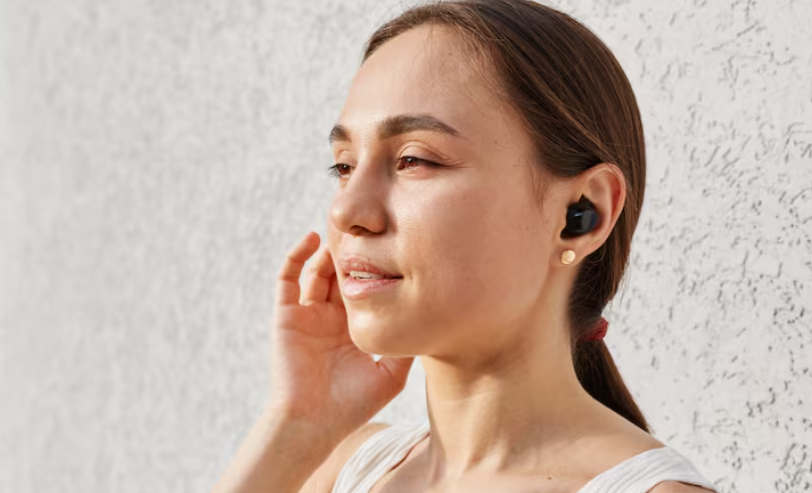
How Wireless Earbuds Improve Everyday Listening
Wireless earbuds have become a popular choice for people who want convenient access to music, podcasts, calls and other audio content. Their compact design, easy connectivity and growing range of features make them suitable for work, exercise, travel and daily activities. Without cables getting in the way, users can move freely while enjoying their favourite sounds.
Among the available options, JBL wireless earbuds offer different designs and listening features to suit a range of preferences. Open-ear models are particularly useful for people who want to enjoy audio while remaining aware of nearby sounds. As wireless technology continues to improve, earbuds are becoming more comfortable, reliable and adaptable to everyday needs.
Wireless Technology and Convenient Connectivity
Bluetooth technology is central to the wireless earbud experience. It allows earbuds to connect to compatible smartphones, tablets, laptops and other devices without a physical cable. Once paired, the connection usually makes it easy to listen to music, answer calls or watch videos without repeatedly setting up the devices.
Improvements in Bluetooth technology have helped make connections more reliable while supporting efficient power use. Depending on the model and connected device, users may also benefit from better audio transmission and a more stable listening experience. The available range and connection quality can vary according to surrounding obstacles, interference and device compatibility.
Many modern earbuds also include controls that allow users to pause music, skip tracks, adjust volume or answer calls with a simple touch or button press. These controls reduce the need to reach for a phone whenever a small adjustment is required.
Comfortable Designs for Everyday Use
Comfort is an important factor when choosing wireless earbuds, especially for people who wear them for several hours a day. A suitable design should feel secure without creating uncomfortable pressure. Lightweight construction can make a noticeable difference during long listening sessions, while a compact charging case makes storage and transport easier.
Traditional in-ear earbuds usually sit inside the ear canal and may include several ear tip sizes to help users find a suitable fit. Choosing the right size can improve stability and listening quality. However, not every design suits every person, so comfort should be considered alongside sound performance and appearance.
Open-ear earbuds offer another option. Instead of sealing the ear canal, they deliver audio while leaving the ears more exposed to surrounding sounds. This design may suit people who want to listen to music while remaining aware of conversations, announcements or activity nearby.
Battery Life and Charging Options
Battery performance affects how practical wireless earbuds are throughout the day. Many models provide several hours of listening from a single charge, while the charging case supplies additional power when the earbuds are not in use. Total listening time depends on the model, volume level, active noise cancellation and other features.
A case with sufficient capacity can be useful for commuting, travelling or spending long periods away from a power outlet. Checking both the earbuds’ individual playback time and the total time available with the case gives buyers a clearer idea of expected performance.
Fast charging can provide additional listening time after a short charging period. Some models also support wireless charging, allowing a compatible case to recharge on a suitable charging pad. Before buying, users should check which charging methods are supported and whether the required cable or accessories are included.
Good charging habits can help maintain reliable performance. Keeping the charging contacts clean, storing the earbuds in their case and avoiding excessive heat can help protect the battery over time.
Sound Quality and Personal Settings
Sound quality remains one of the most important considerations when selecting earbuds. A good pair should produce clear vocals, balanced instruments and bass that suits the listener’s preferences. Performance depends on the drivers, acoustic design, audio processing and quality of the source recording.
Wireless audio codecs also influence how sound is transmitted between a device and earbuds. Support varies between products and connected devices, so a particular codec may not be available in every setup. A higher-quality codec alone does not guarantee better sound, as the overall design and tuning also play important roles.
Many earbuds work with companion apps that provide equaliser settings and sound presets. These controls allow users to adjust bass, treble and other aspects of the listening experience. Someone who enjoys electronic music may prefer stronger bass, while a podcast listener may favour clear voices.
Testing different settings can help users find a sound profile that feels comfortable for their preferred content. It is also sensible to keep the volume at a moderate level to reduce the risk of hearing damage during extended listening.
Noise Control and Awareness of Surroundings
Noise control features can make wireless earbuds more useful in different environments. Active noise cancellation uses microphones and electronic processing to reduce certain external sounds. It can be helpful on public transport, in busy offices or in other places where background noise makes listening difficult.
Transparency modes work differently by allowing selected outside sounds to reach the listener. This can help users hear announcements or speak to someone without removing their earbuds. The effectiveness of these features varies between models, and neither mode replaces careful attention to the surroundings.
Open-ear designs provide another way to maintain environmental awareness because they do not fully block the ear canal. They may be suitable for walking, light exercise and everyday tasks. However, users should remain cautious near traffic and other hazards, as audio can still distract them from important sounds.
Smart Assistants and Hands-Free Controls
Some wireless earbuds support voice assistants through a connected smartphone or another compatible device. This feature can allow users to make calls, control music, check information or manage selected tasks without handling their phones.
The available functions depend on the earbud model, operating system, assistant and settings. Some devices offer direct touch controls, while others rely on voice commands or companion applications. Users should review the available controls before purchasing, particularly if hands-free access is important to their routine.
Microphone quality also matters for calls and voice commands. Noise reduction may improve speech clarity, although performance can vary in windy or crowded places. People who regularly attend online meetings should look for earbuds that provide reliable microphones and comfortable long-term wear.
Device Compatibility and Multiple Connections
Wireless earbuds are designed to work with many modern devices, but compatibility should not be taken for granted. Buyers should confirm that their preferred phone, computer or tablet supports the required Bluetooth connection and features.
Some models support multipoint connectivity, which allows them to remain connected to two devices at once. This can be convenient for someone who listens to music on a laptop but needs to answer calls from a phone. Not all earbuds offer this feature, and switching behaviour differs between products.
Checking compatibility before purchase can prevent frustration and help users make the most of their chosen earbuds.
Durability, Water Resistance and Maintenance
Wireless earbuds often accompany users to the gym, outdoors or on daily journeys, making durability an important consideration. Some models include protection against sweat, splashes or dust. An IP rating indicates a defined level of protection, but the exact rating should be checked rather than assuming every model offers the same resistance.
Water resistance does not necessarily mean that earbuds are suitable for swimming or prolonged exposure to water. Users should follow the manufacturer’s care instructions and avoid charging wet earbuds or cases.
Regular cleaning can also help maintain performance. Removing earwax and debris carefully, keeping the charging contacts clean and storing the earbuds properly may help prevent connection or charging problems.
Choosing Earbuds That Suit Your Needs
Wireless earbuds are available at a wide range of prices. Affordable models may provide dependable Bluetooth connectivity and straightforward controls, while more expensive options can include advanced noise cancellation, improved microphones, custom sound settings and additional device features.
Rather than choosing solely by price, buyers should consider comfort, battery life, sound quality, durability and intended use. Someone who exercises frequently may prioritise a secure fit and sweat resistance, while a remote worker may value microphone clarity and multipoint connectivity.
What Comes Next for Wireless Earbuds?
Wireless earbuds are likely to become more adaptable as manufacturers improve audio processing, battery efficiency and personalisation. Future models may offer more advanced health-related sensors, although the usefulness and accuracy of these features will depend on their design and validation.
Software may also make it easier to adjust sound settings automatically according to the listening environment or user preferences. Improvements should aim to provide practical benefits without making devices difficult to use.
Wireless earbuds already combine portability, convenience and useful audio features in a small package. By comparing designs and selecting features that match their routines, users can find a pair that supports their everyday listening needs without paying for functions they rarely use.